
The technological research institute expert in manufacturing
IRT Jules Verne is the technological research institute specializing in manufacturing processes. For more than 10 years, he has been developing innovative technologies to meet the industrial challenges of performance, flexibility and transitions in strategic sectors such as aeronautics, shipbuilding, nuclear, rail and defence. It brings together major industrial groups, SMEs and higher education and research institutions around a common technological research programme on manufacturing.
IRT Jules Verne accelerates innovation to transform French industry
Our vocation? Strengthen French industrial competitiveness, sovereignty and resilience.
Our mission? Accelerate innovation and technology transfer to factories
Our core business? Supporting manufacturers and conducting collaborative research
In collaboration with its industrial and academic partners, IRT Jules Verne works for French industrial competitiveness, sovereignty and resilience. It offers global solutions that can go as far as the creation of industrial demonstrators on a scale of 1. The results of these collaborative developments contribute to the transfer of technology to factories.
IRT Jules Verne works on the maturation of innovative technologies on 5 research themes: mobility in the industrial environment, production flexibility, assembly and welding technologies, forming and preforming processes, and process digitalization.
To do this, it combines 5 complementary areas of expertise: processes for composite and metallic materials, modeling and simulation, robotics and cobotics, and monitoring, inspection and process control.
Accelerate innovation and technology transfer to factories
 Composites processes
 Metallic processes
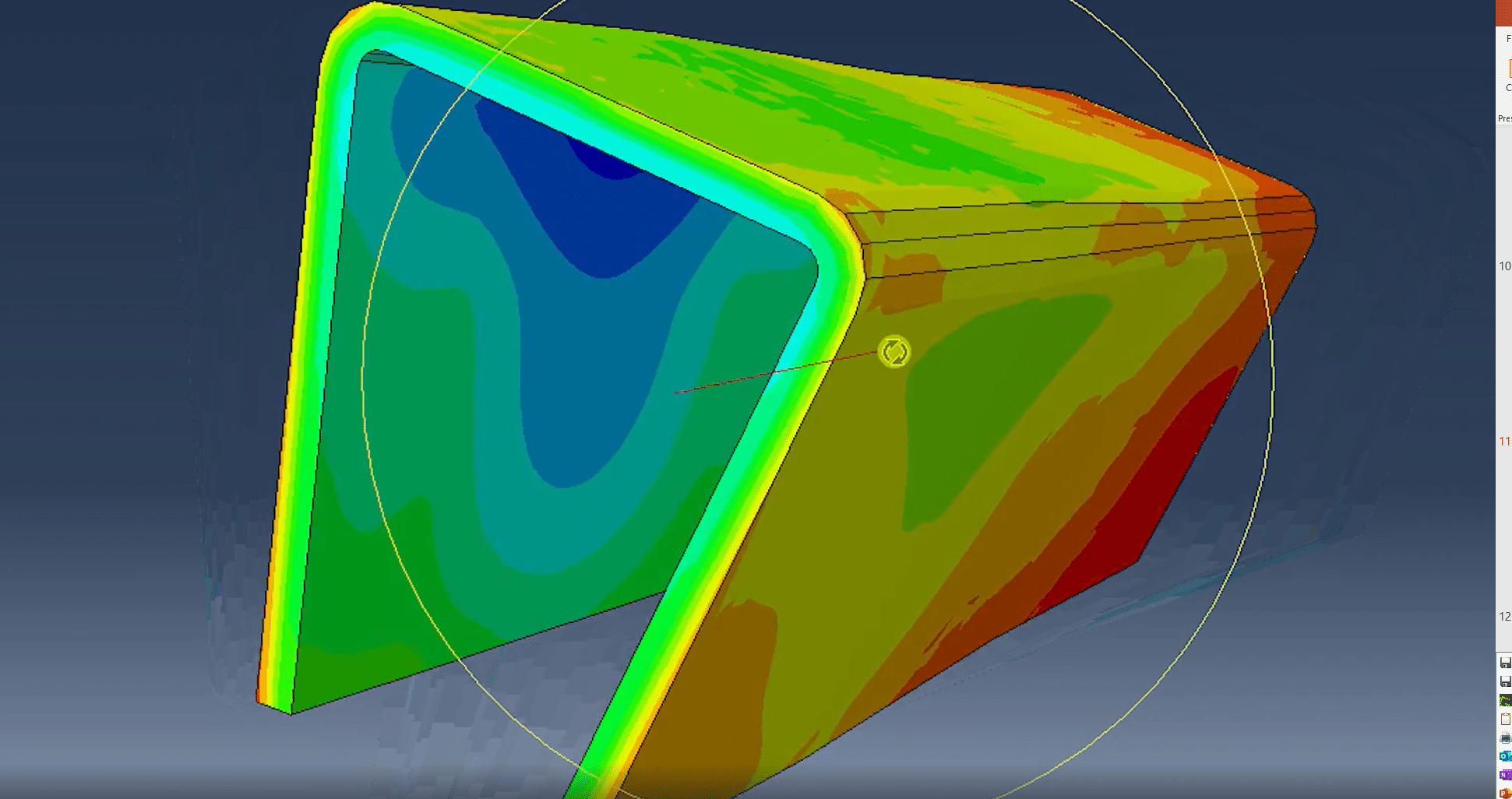 Modelling & Simulation
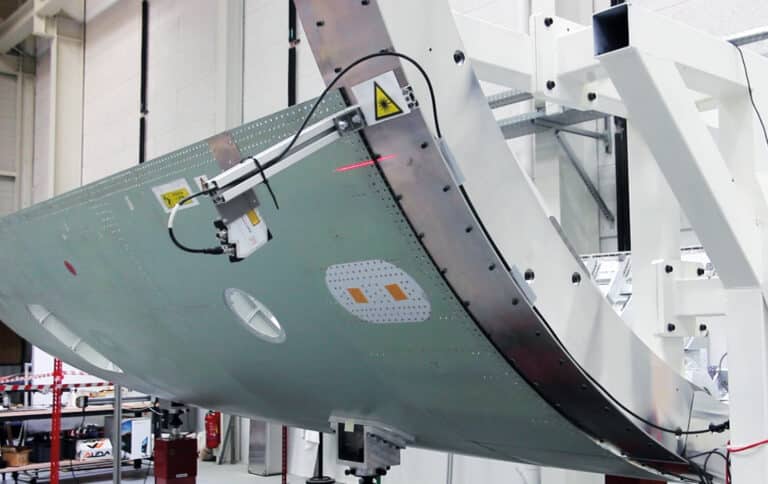 Robotics
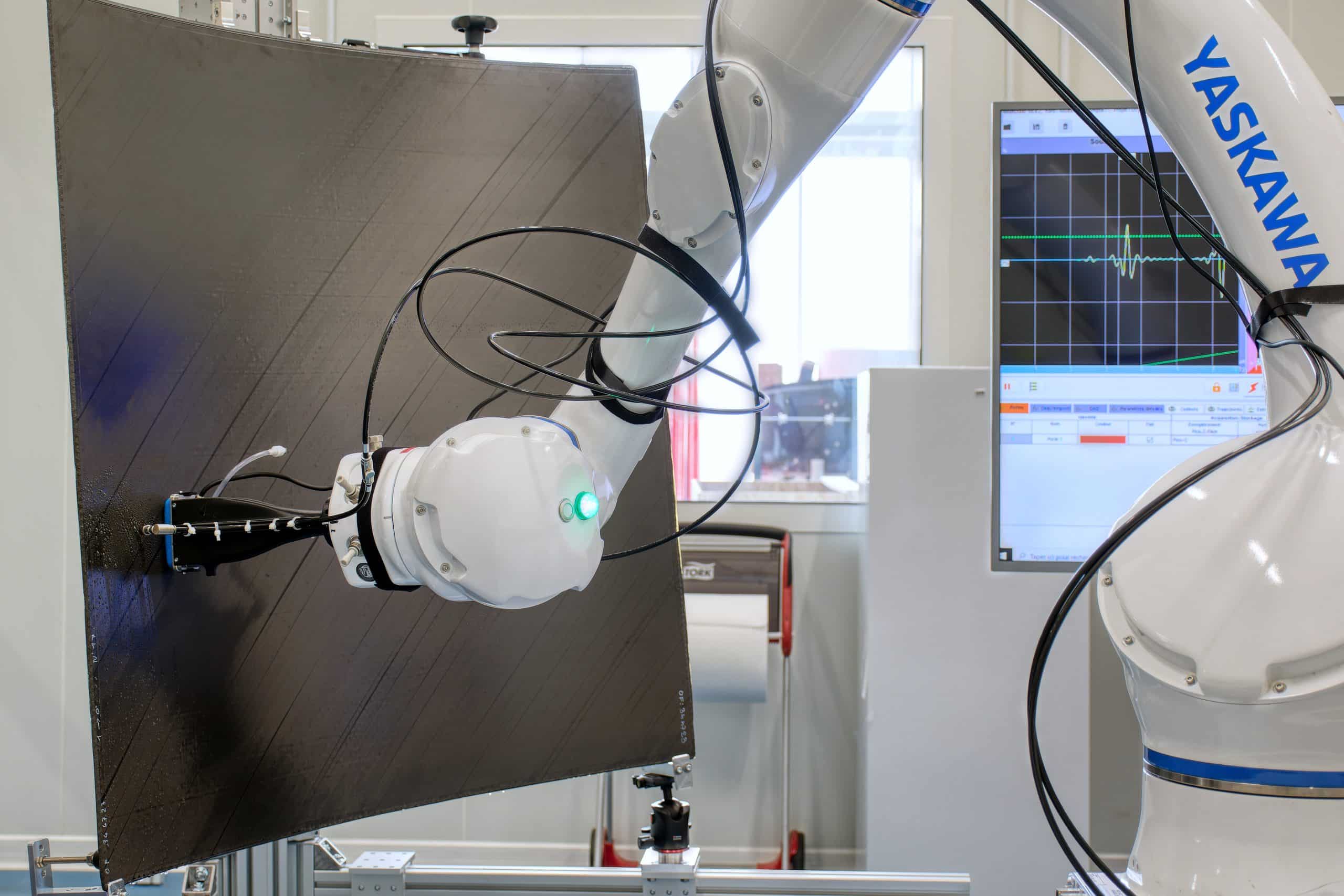 Monitoring
A scientific cooperation foundation for sovereign manufacturing
The governance of the IRT Jules Verne is ensured by various bodies:
- the Board of Directors, chaired by Damien GUILLON, Director of the Airbus Atlantic Nantes plant,
- the Scientific Advisory Board,
- The Office.
The operational activities of IRT Jules Verne are carried out by a team led by Claude GIRARD, Executive Director, and overseen by the Executive Committee.
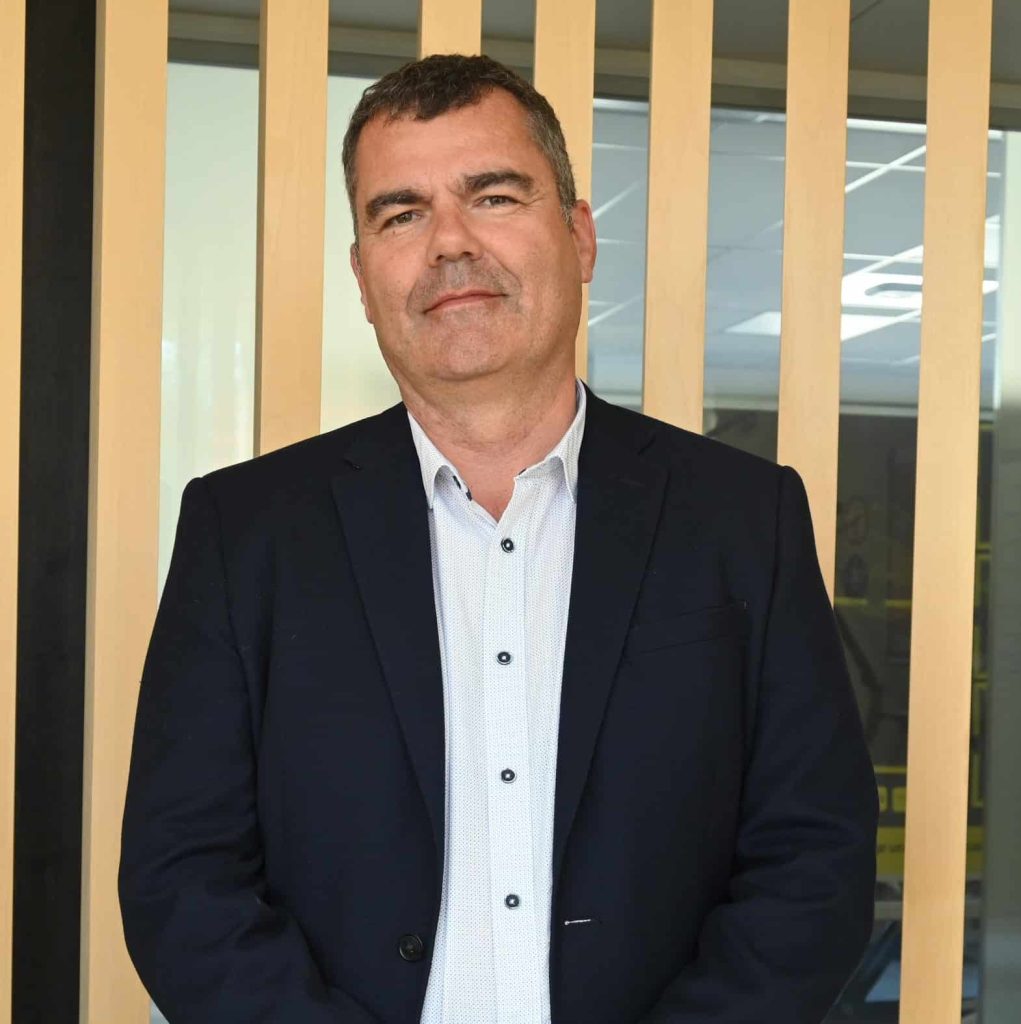
President
Managing Director
IRT Jules Verne's strategic alliances in the ecosystem of technological research and the industry of the future
 Pôle EMC2
Since 2012, IRT Jules Verne has been deploying a coordinated strategy with the EMC2 Industrial Competitiveness Cluster in the French ecosystem of the industry of the future.
 Nantes Université
The institute is a member of Nantes University and actively contributes to the industry of the future axis of the academic institution. A partnership that strengthens IRT Jules Verne’s links with higher education and fundamental research, to bring the academic world and the industrial ecosystem ever closer together.
 FIT : French Institute of Technology
IRT Jules Verne is a stakeholder in the FIT association, which brings together 7 technological research institutes and 7 energy transition institutes that share the same fundamentals in terms of public-private multi-partner research.
Within FIT, IRT Jules Verne is actively involved in 3 inter-IRT initiatives:
“Additive Manufacturing”, for the optimization of IRTs’ research in the field of additive manufacturing,
“EngageAI” to accelerate the transfer of skills between academic research and industry around artificial intelligence.
“Thermoplastic Composite Materials”, to develop the French sector and enable manufacturers to innovate, maintain their technological lead and prepare the aircraft of tomorrow. The FIT Materials Alliance brings together IRT Saint-Exupéry, IRT M2P and IRT Jules Verne to meet a global need by pooling all materials and process skills across the entire value chain.
The Nautilus, 4000 m2 of technology halls for industrial innovation in manufacturing
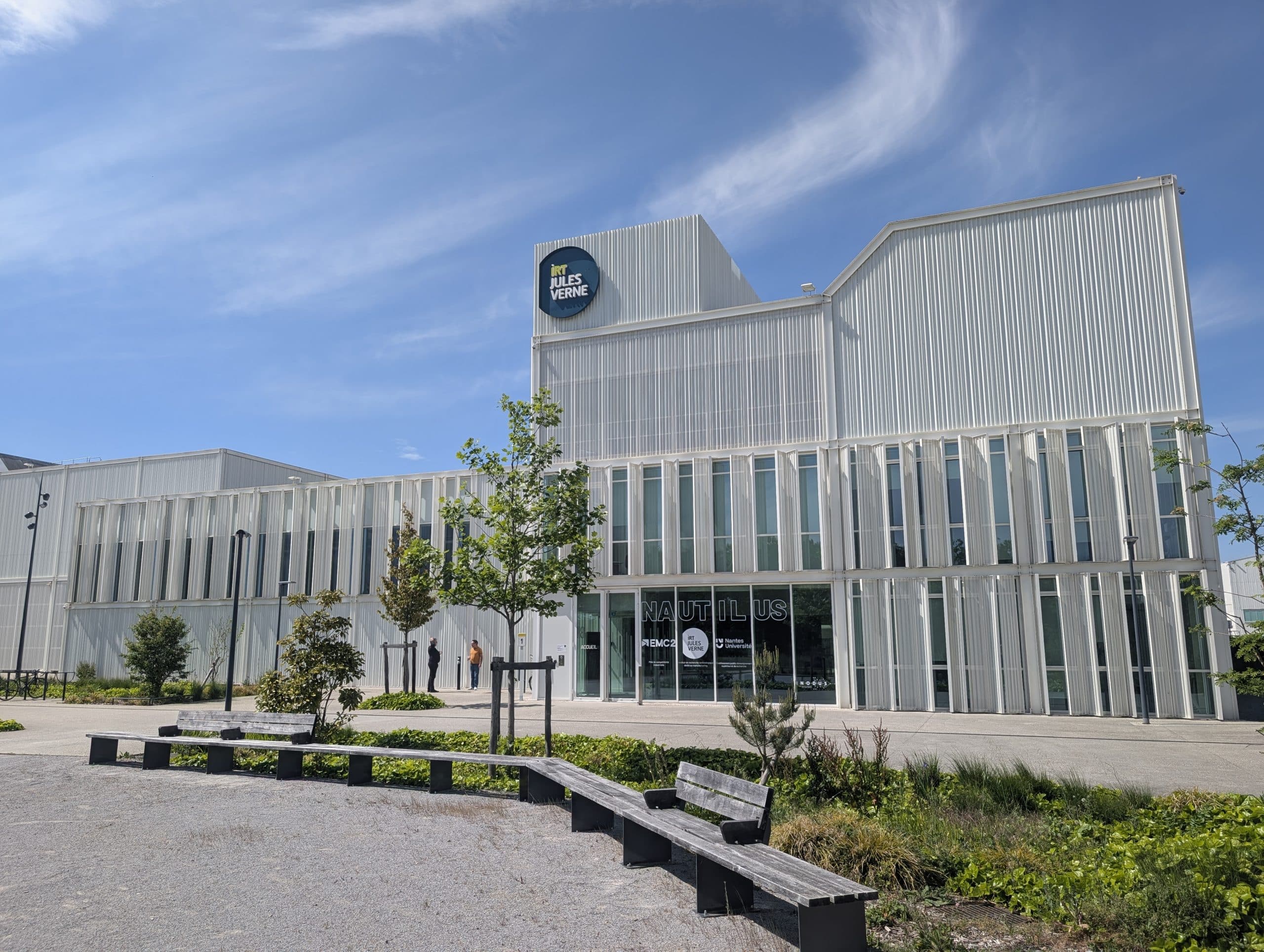
The IRT Jules Verne is located at NAUTILUS, in premises shared with the EMC2 Cluster and Nantes University, in the heart of the INODUS zone (Industrial Innovation Pole of the Nantes region).
Built in 2022, the NAUTILUS is a 7000 m2 building – including 4000 m2 of technological space. Its construction was financed with support from local authorities of €3.5 million (Pays de la Loire Region: €1 million; Nantes Métropole: €1 million; ERDF: €1.5 million).
The NAUTILUS is an open and central workplace, close to Nantes Altantique Airport, the Airbus Atlantic Nantes factory, the Composites & Ocean Technocampuses, DAHER, and the Jules Verne Manufacturing Academy.
Modern and bathed in light, the Nautilus is intelligently designed, with many spaces for meetings and exchanges that promote collaborative work.
All of IRT Jules Verne's equipment and technological platforms are acquired as part of the R&D projects carried out by the institute, with the financial support of France 2030, the ERDF and the Pays de la Loire Region.

"By acquiring the Nautilus building, IRT Jules Verne has an additional asset to pursue high-level industrial partnership research which, I have no doubt and I hope it will, will lead to the emergence of major innovations and major projects in technological sectors with a strong economic, social and environmental impact, in line with the objectives of France 2030."
Nos 5 expertises complémentaires du manufacturing, qui travaillent en synergie.
Monitoring & process control
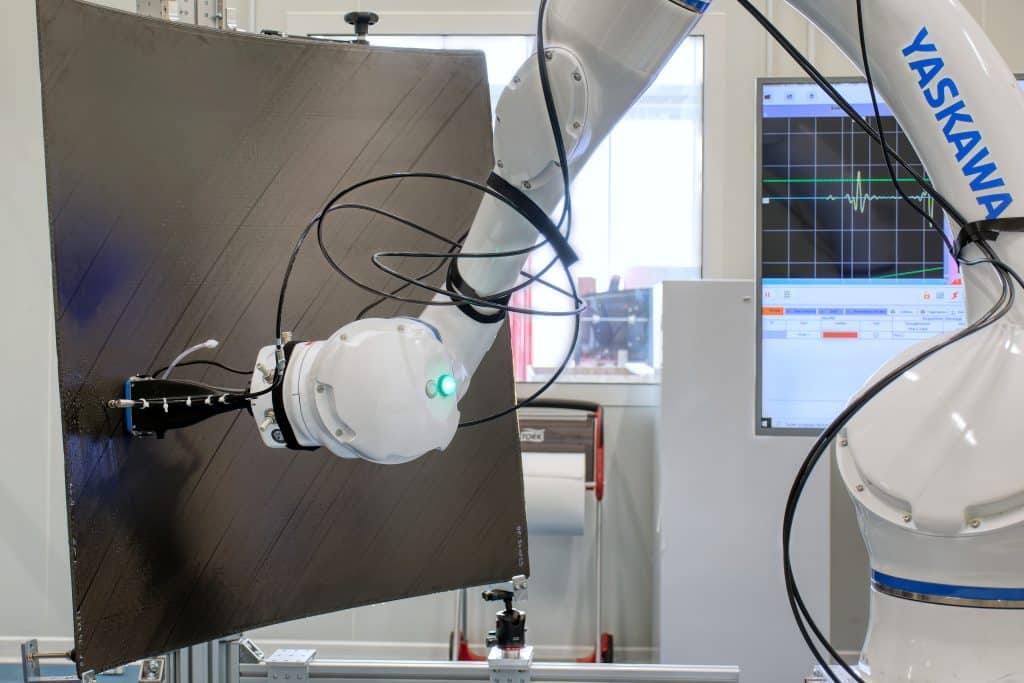
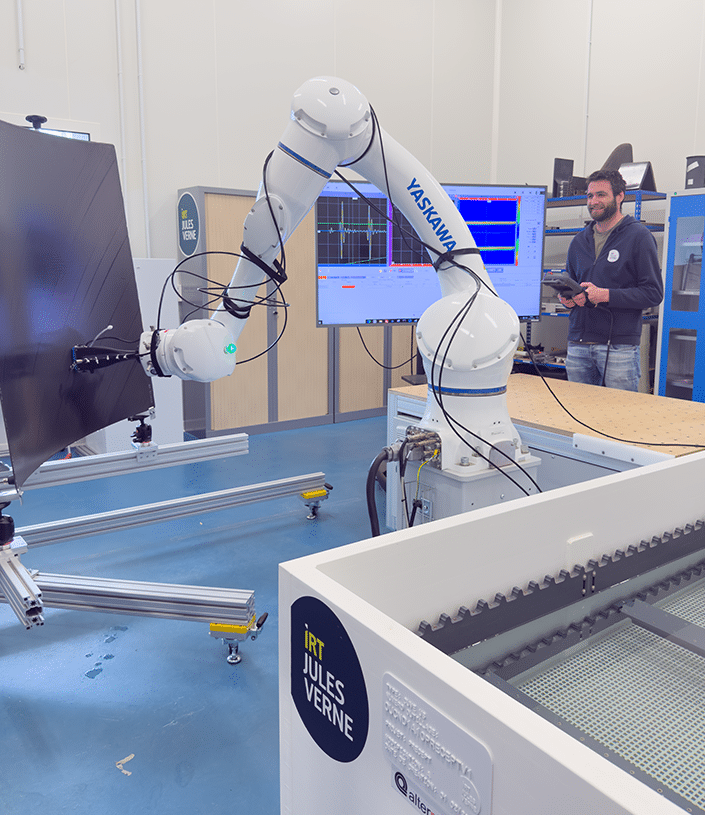
Develop non-destructive testing of critical parts and monitor manufacturing processes to reduce production costs.
To reduce inspection costs, IRT Jules Verne develops innovative technologies in process monitoring (PHM), non-destructive testing (NDT) and integrated health control (SHM) at its premises in Nantes.
The team also offers the digital tools essential for the automatic real-time analysis of the data collected, in particular by using artificial intelligence to predict the quality of parts, provide feedback on processes, assist the operator in his diagnosis and ensure the digital continuity of all operations in the production range. The solutions developed are then deployed in production and maintenance in the aeronautics, naval, energy and transport sectors.
Led by Nicolas Terrien since 2022, the team is made up of around fifteen experienced experts, PhDs, engineers and R&D technicians and uses cutting-edge technological platforms to carry out its research work.
- Monitoring of manufacturing processes
- Automated and flexible non-destructive testing
- Automatic analysis of inspection and monitoring data
- Integrated health monitoring of structures
Composites
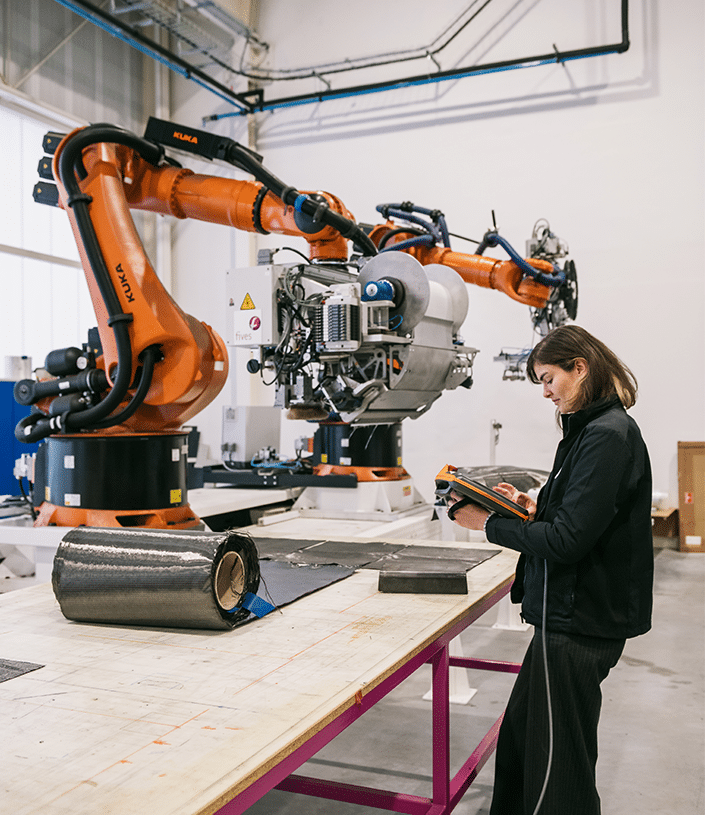
Based near Nantes, the IRT Jules Verne has, since its creation in 2012, developed outstanding expertise in the manufacturing processes for composite parts and structures.
As the core activity that led to its creation, the institute’s expertise in composite materials processes is now recognised at both national and European levels. IRT Jules Verne is also recognised as a key player in the field within international networks, notably JEC World, which has on several occasions recognised the groundbreaking technological innovations developed at the institute.
With a multi-sector technological research team dedicated to composite materials and processes, IRT Jules Verne leads collaborative national and European R&D projects and provides R&D services to address industrial performance challenges, particularly those relating to the manufacture of complex and large-scale structures.
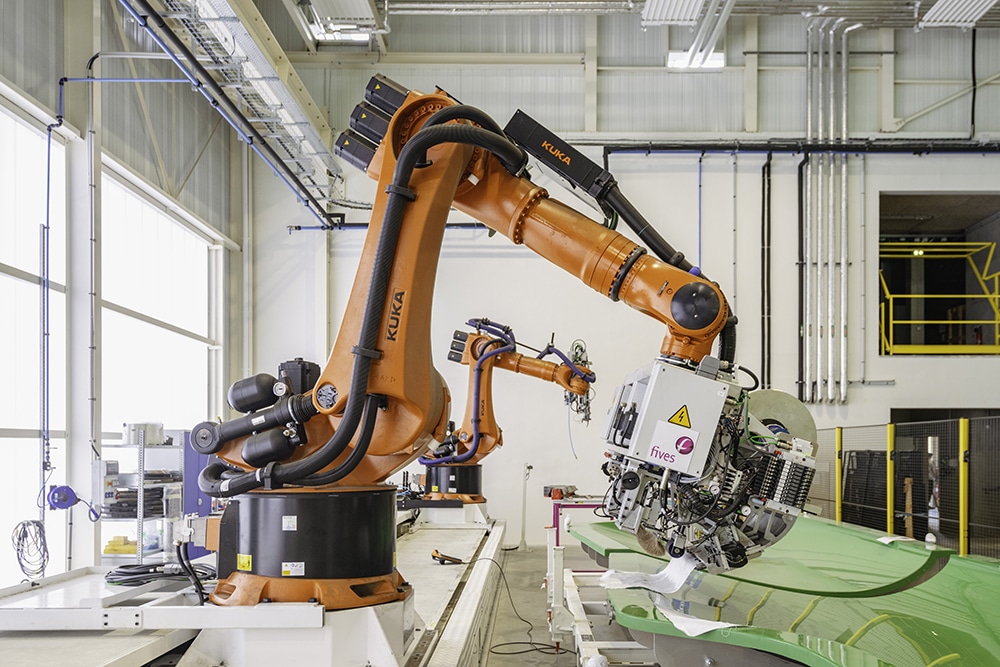
The R&D activities combine the development of innovative processes with product design in order to optimise production costs, meet production rate targets and reduce environmental impact. They cover thermoplastic and thermosetting composite materials, from preforming and shaping through to assembly.
Linking up with IRT Jules Verne’s expertise in modelling and simulation, robotics and process monitoring, the team develops comprehensive solutions, from technical and economic feasibility studies through to full-scale industrial demonstrators.
- Large-scale automated preforming
- Liquid impregnation processes: thick infusion, RTM injection and isothermal CRTM
- Forming processes: thermocompression, stamping/overmolding and non-autoclave consolidation
- Welding of TP composites
Robotics & Cobotics
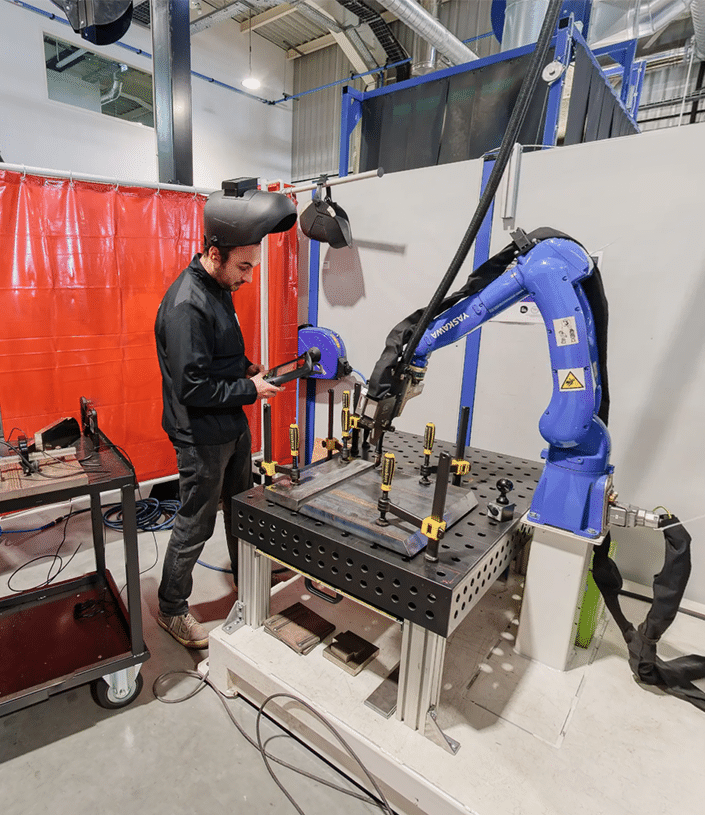
The flexible and smart industry is taking shape in Nantes, at IRT Jules Verne. Since 2012, our technology team specializing in industrial robotics and cobotics has been developing solutions tailored to the production challenges faced by French manufacturers. These innovations take shape through national and European collaborative research projects and research services.
Our goal: to automate composite and metalworking processes and optimize the deployment of robots in complex industrial environments.
Comprising some twenty experts, engineers, technicians, and doctoral students, the team is led by Sébastien Rubrecht and has access to cutting-edge, proprietary resources, delivering robust and flexible robotic and cobotic solutions. These solutions are designed for rapid industrialization and address the challenges of flexibility, performance, precision, and ergonomics.
At IRT Jules Verne, R&D in robotics and cobotics works in synergy with the institute’s other areas of technological expertise, which specialize in metalworking processes, composite processes, simulation, and process monitoring.
- Automation of composite and metal fabrication processes
- Automated programming
- Precision compliant robotics
- Vision-based control
- Parallel cable robotics
- Localization & navigation of collaborative mobile robots
- Digital factory: diagnostics and optimization of production flows
Metallic
Metal welding & additive manufacturing
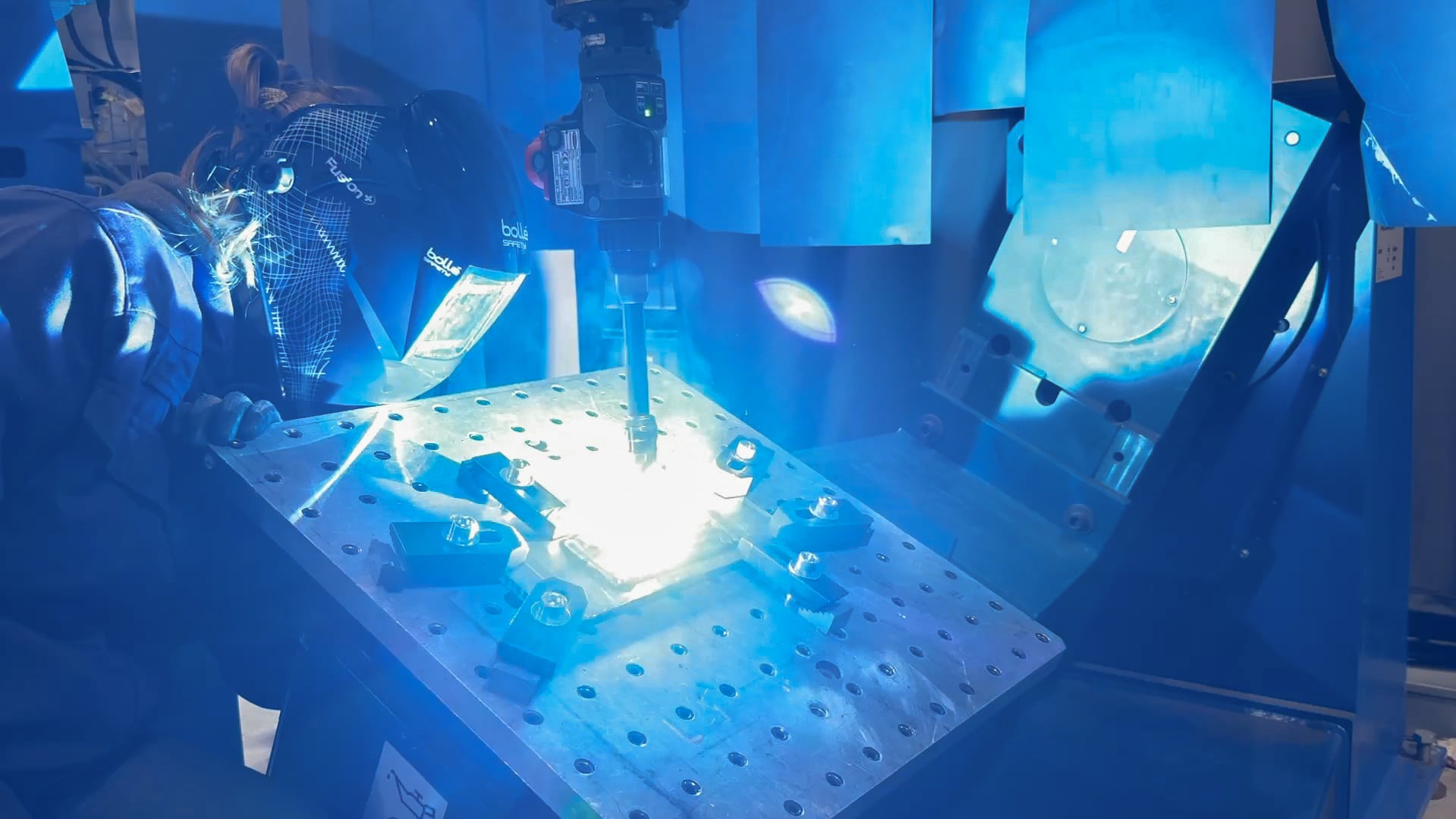
Innovative metal processes are one of the pillars of the technological research carried out at the IRT Jules Verne (Nantes) since 2012. The objective is twofold: to industrialize additive manufacturing technologies (DED-fil and AFSD) and to automate welding assembly (Arc and FSW) by improving productivity and quality.
Supervised by Grégoire Bazin, our technological research team is made up of about fifteen R&D engineers, experts, technicians and PhD students. It develops innovations for metal manufacturing processes based on additive manufacturing and metal welding technologies in liquid and solid state.
The team relies on know-how in metal processes and materials and on state-of-the-art equipment that differentiates it. It works in synergy with the other research teams of the IRT Jules Verne in order to offer global support.
- Automated Metal Welding Assembly
- Large-Scale Metal Additive Manufacturing Using DED Wire (Liquid State)
- AFSD Large-Scale Metal Additive Manufacturing (Solid-State)
- Repair and Reloading
Modelling & Simulation
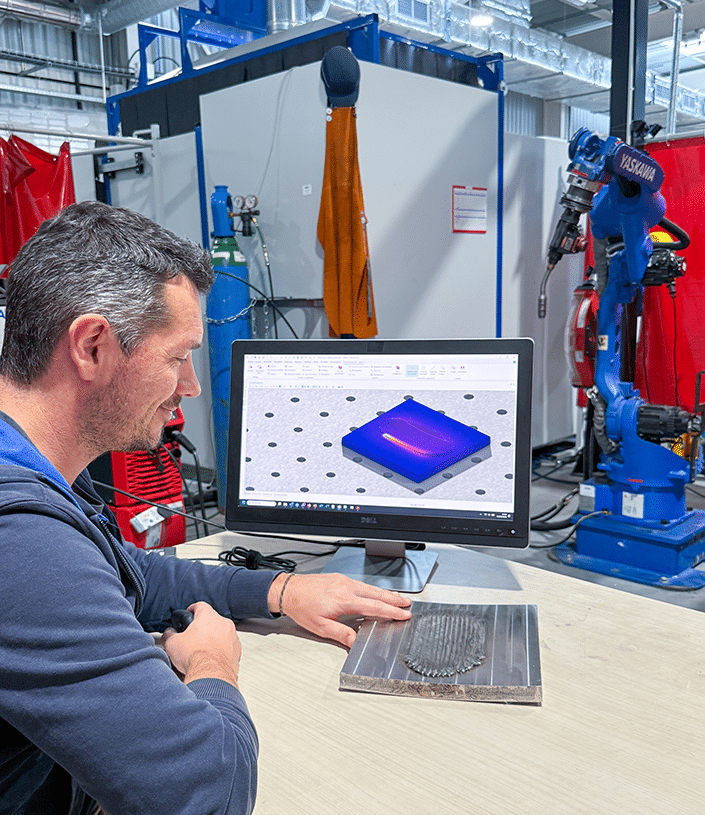
To enhance the competitiveness of the industrial sector, IRT Jules Verne relies on modeling and numerical simulation of manufacturing processes to address the major challenges facing French industry. Based in Nantes since 2012, the Modelling and Simulation team studies the behavior of structures and manufacturing processes and works on the shaping and assembly of materials. It uses and develops digital tools for its R&D projects and services to size, predict, optimize, and understand.
The objective is clear: to provide reliable data to manufacturers to facilitate decision-making and reduce the time and cost of development.
Led by Stéphanie Colliou, the team consists of 18 R&D engineers, experts, and doctoral students. It has a strong digital culture and is proficient in a wide range of simulation software. Working in collaboration with the institute’s other technological expertise areas, the simulation and modeling work is validated through testing. The team relies on a network of partners to characterize materials and feed data into the models.
- Simulation and optimisation of composite processes
- Simulation and optimisation of metallic processes
- Digital twin of the process
- Assembly and tolerancing
- Thermal management of processes
Différents types de collaboration adaptés à vos enjeux industriels.
IRT Jules Verne offers support methods adapted to each industrial ambition. It responds to the need for strategic and sustainable collaboration by proposing collaborative innovation projects, in France and on a European scale. It also adapts to specific requests by offering tailor-made services.
- 01 France 2030 Project To jointly develop and carry out collaborative R&D projects to collectively advance multidisciplinary technological research in the field of manufacturing, leveraging the impact of public funding through the France 2030 initiative. NATIONAL COLLABORATIVE R&D
- 02 R&D Services To quickly and effectively harness the potential of innovative manufacturing technologies to address a manufacturer’s specific needs. CUSTOMIZED MISSION
- 03 Calls for European Projects Identify, develop, and manage European R&D projects aligned with the needs of our French industrial partners. LOBBYING, ANALYSIS, PLANNING, MANAGEMENT, COORDINATION WITHIN THE EU
- 04 National Calls for Proposals Identify and effectively respond to strategic national calls for proposals that hold promise for the future of French manufacturing processes. Monitoring, Response, and Project Management
- 05 Training Train your industrial and academic teams in innovative manufacturing technologies and the management of innovative and complex projects. Inter- and intra-company, Qualiopi certification
- Not sure which support option to choose? Our team is here to listen and help you choose the right collaboration format based on your R&D challenges. Request a callback