

Our scientific and technological challenges, connected to the challenges of industry
Since 2012, the IRT Jules Verne has focused its technological research on concrete subjects that lead to market opportunities in the short and medium term. Directly connected to industrial needs, its core activity is the development of generic and multi-sector technological bricks.
The roadmap is currently organized around 3 major R&T axes and 5 cross-cutting research themes.
The Scientific Council, composed of 12 high-level scientific and technical personalities, supports the evolution of this research and innovation strategy towards the key topics of manufacturing.
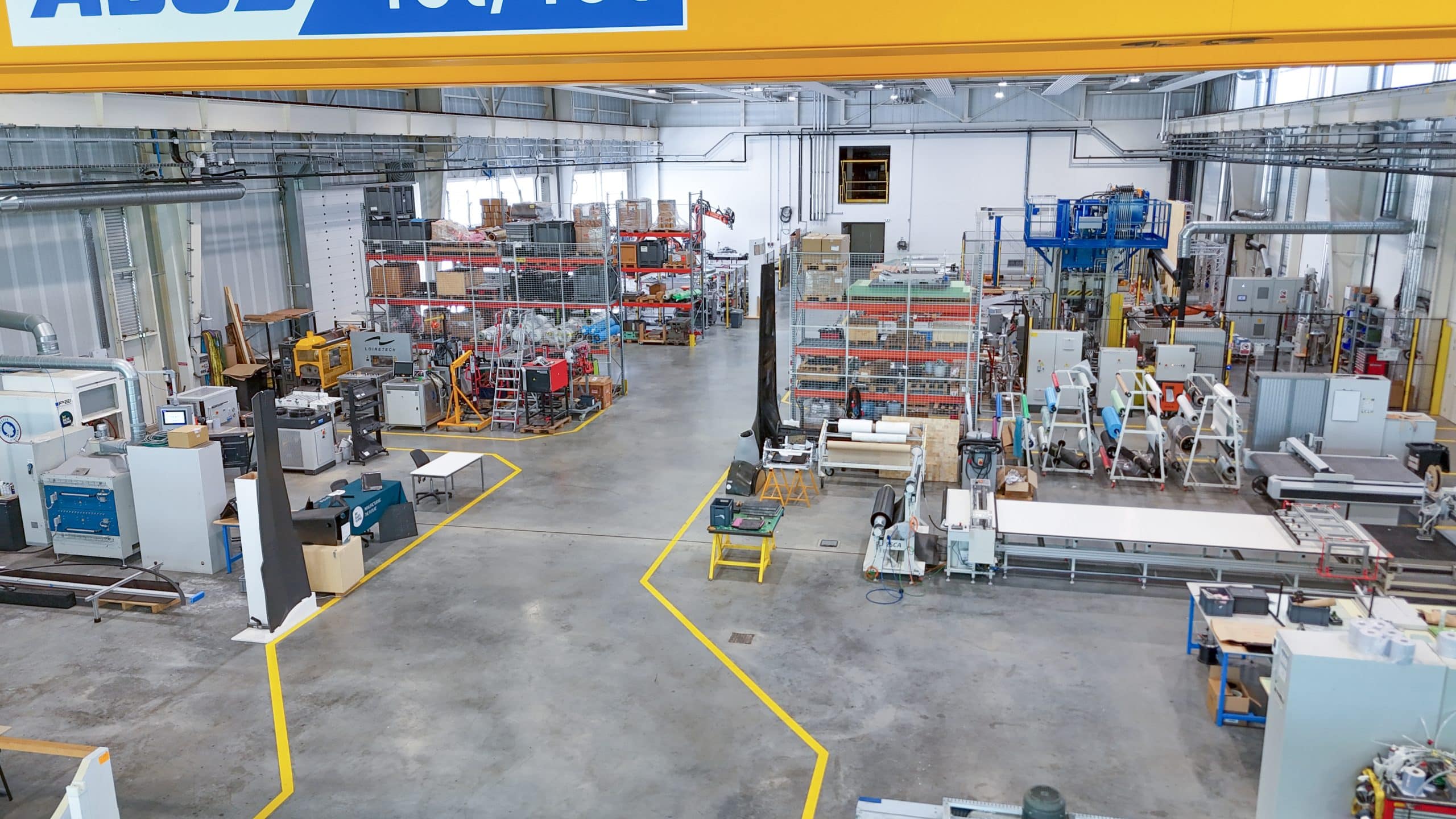
- Forming and preforming processes
- Assembly and Welding Technologies
- Process digitalization
- Mobility in the industrial environment
- Manufacturing flexibility
Our 3 areas of applied research
IRT Jules Verne's technology roadmap is based on 3 R&T areas: integrated product/process design, innovative manufacturing processes, and flexible and intelligent production systems.
Integrated product/process design
To bring out innovative technological concepts that guarantee the best balance between the functional performance of products and the operational performance of processes, taking into account their constraints and potential.
Innovative manufacturing processes
Develop new technologies for the implementation or assembly of composite, metallic or multi-material materials, meeting the challenges of cost reduction and production ramp-up. These developments are based on the adaptation of processes from other sectors, the study of emerging technologies and the integration of the digital dimension and the potential of artificial intelligence.
Flexible and intelligent production systems
To develop or adapt autonomous and intelligent tools for production and control, capable of improving the productivity, flexibility, agility and performance of production systems while keeping people at the center of these developments.
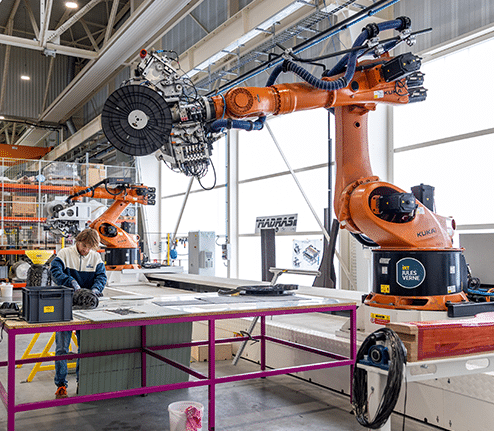
5 research topics to overcome technological barriers
To contribute to these 3 areas of research, IRT Jules Verne focuses its research activity around 5 cross-sectional R&D themes to overcome identified hurdles within a given field.
| Forming and preforming processes | Low-cost, high-throughput process design, prototyping, and validation for complex, functional parts |
| Assembly and welding Technologies | Low-cost, high-speed assembly processes for parts and structures |
| Process digitalization | Digital twin and advanced data processing applied to manufacturing |
| Mobility in the industrial environment | Autonomous and intelligent mobility of manufacturing tools and systems in industrial environments or structures |
| Manufacturing flexibility | Reconfigurable, flexible and agile manufacturing processes |
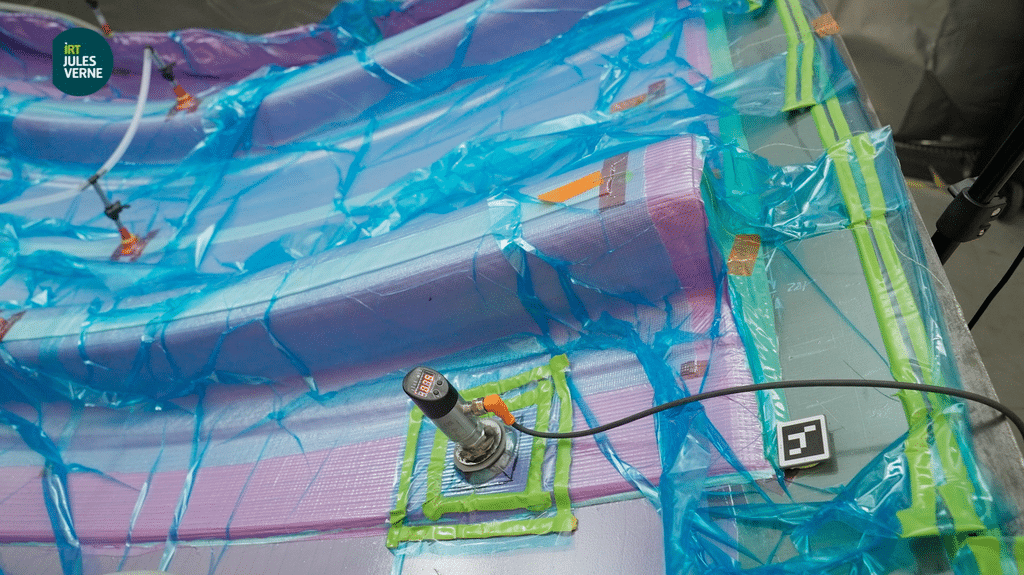
Forming and preforming processes
Low-cost, high-throughput process design, prototyping, and validation for complex, functional parts.
Associated industrial challenges:
- Lower the cost of feature integration
- Increase production rate
- Increase the sustainability of solutions
- Certification Support
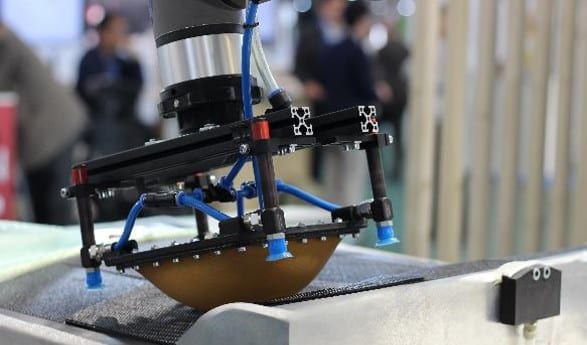
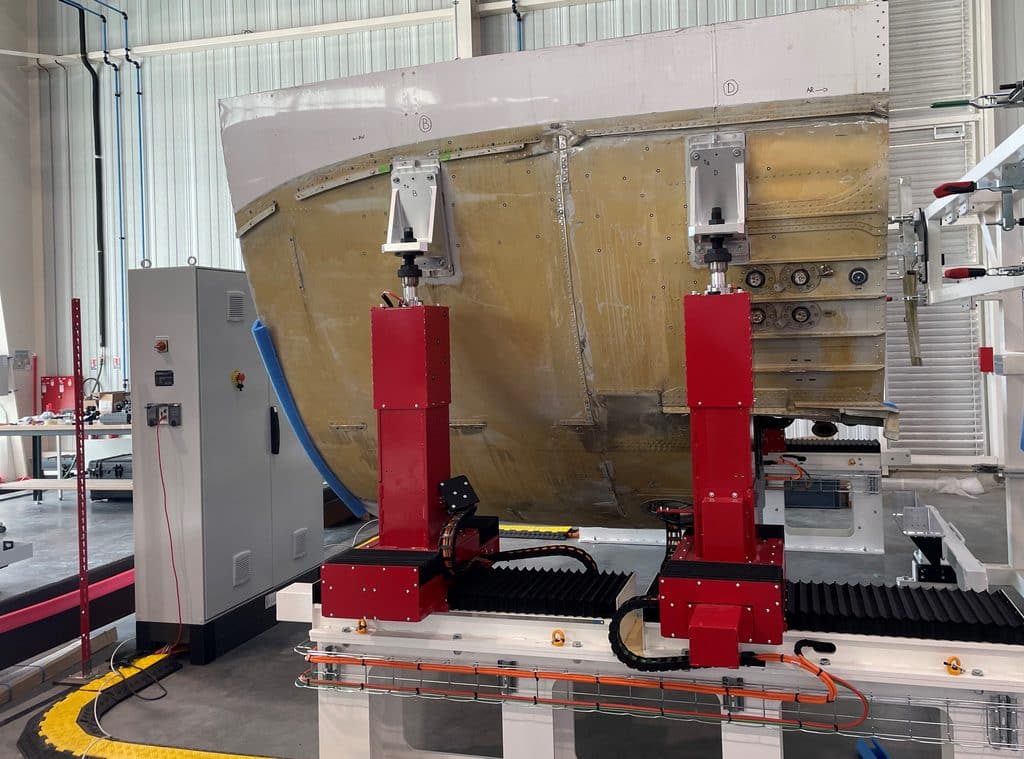
Assembly and welding Technologies
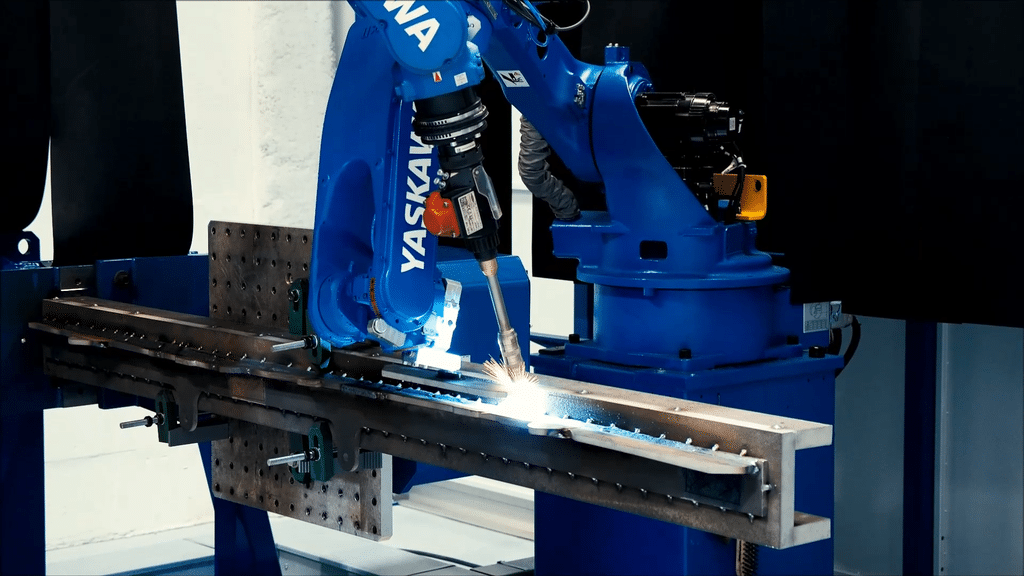
Low-cost, high-speed assembly processes for parts and structures.
Associated industrial challenges:
- Improve knowledge of assembly performance
- Low-cost assembly process
- Advanced assembly technologies
- Certification of assembly processes
Digitalization of processes
Digital twin and advanced data processing applied to manufacturing.
Associated industrial challenges:
- Adding/extracting value from data for manufacturing
- Anticipation of process deviations and (non)quality
- Production Systems and Autonomous Operators
Mobility in the industrial environment
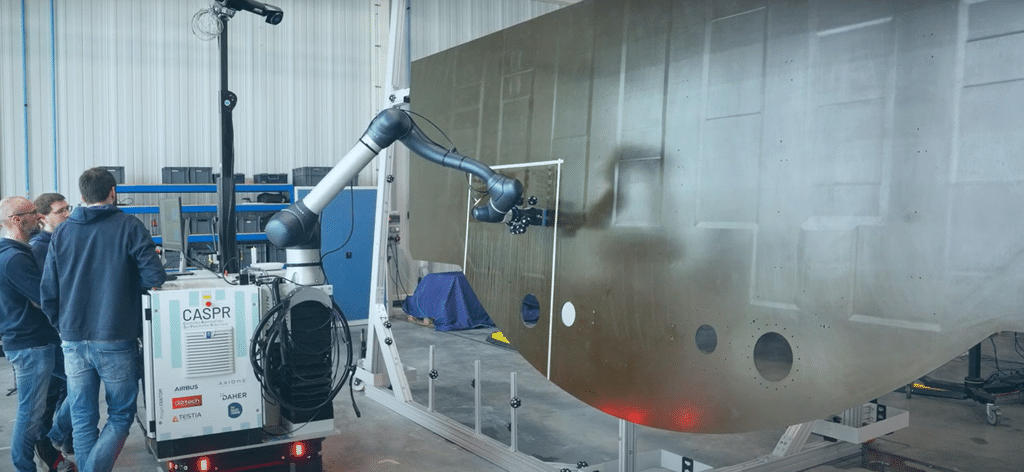
Autonomous and intelligent mobility of tools and manufacturing systems in industrial environments or structures.
Associated industrial challenges:
- Deliver parts to the right place at the right time
- Working on large structures without specific infrastructure
- 3D Factory Volume Optimization
- Speed and accuracy of end-effector mobility
Manufacturing flexibility
Reconfigurable, flexible and agile manufacturing processes.
Associated industrial challenges:
- Increase equipment and organization flexibility
- Increasing human added value
- Keeping up with digital transformation
- Sustainable Manufacturing Systems
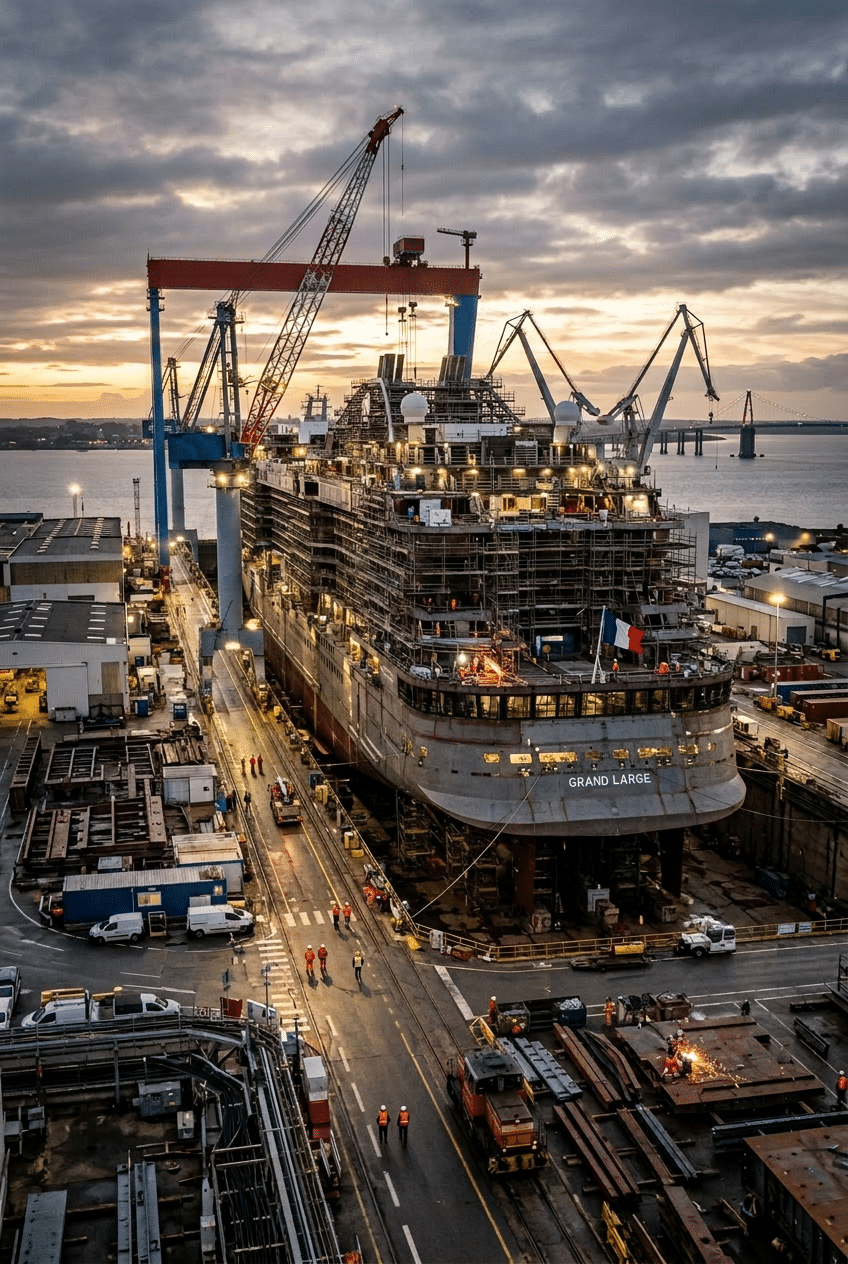
Six strategic sectors at the heart of our work.


Technological challenges meeting your competitiveness goals.
- 01 Performance Improve the performance of manufacturing processes, reduce production and maintenance costs, and better control part quality. About this challenge
- 02 Flexibillity Develop automated, flexible, agile, and reconfigurable processes and optimize the deployment of robots in a complex industrial environment. About this challenge
- 03 Transitions Minimize the environmental impact of manufacturing processes and reduce the time and cost of developing manufacturing processes through simulation. About this challenge